

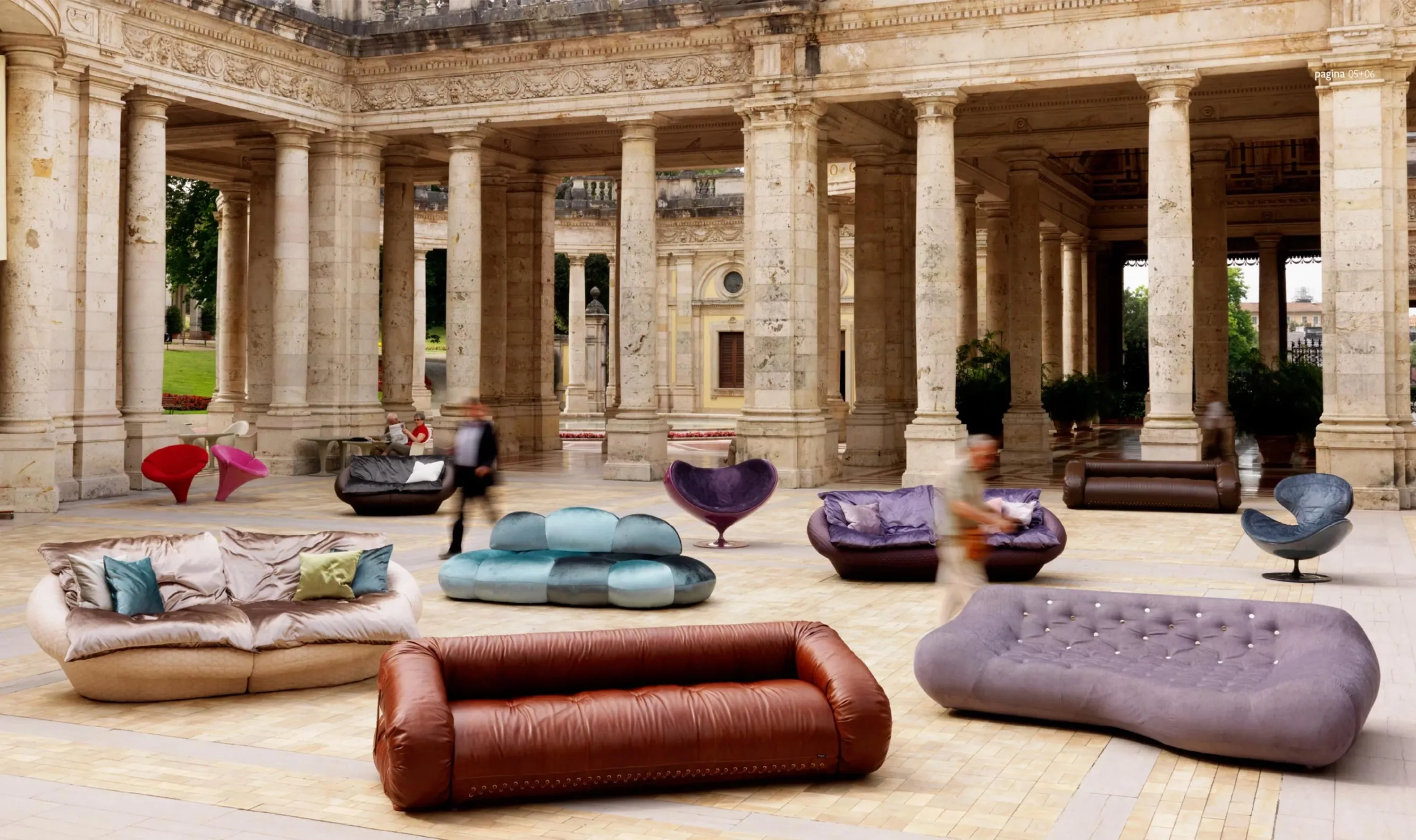
Giovannetti upholstered furniture, Made in Italy: origins and identity
Giovannetti Collezioni was founded in Tuscany during the years when Italian design embraced a freer language, capable of bringing art and everyday life together. The brand develops designer furniture, sofas and innovative upholstered pieces that are distinctive and long-lasting, born from experimentation with materials and mechanisms and conceived for both residential and contract spaces. At its core lies a strong artisan workshop tradition, meticulous attention to detail, and the material research typical of Made in Italy, translated into contemporary formal experimentation. Here, beauty is not mere decoration, but a concrete expression of ergonomics, functionality and narrative identity, with products designed to inspire emotion in everyday use, beyond passing trends.
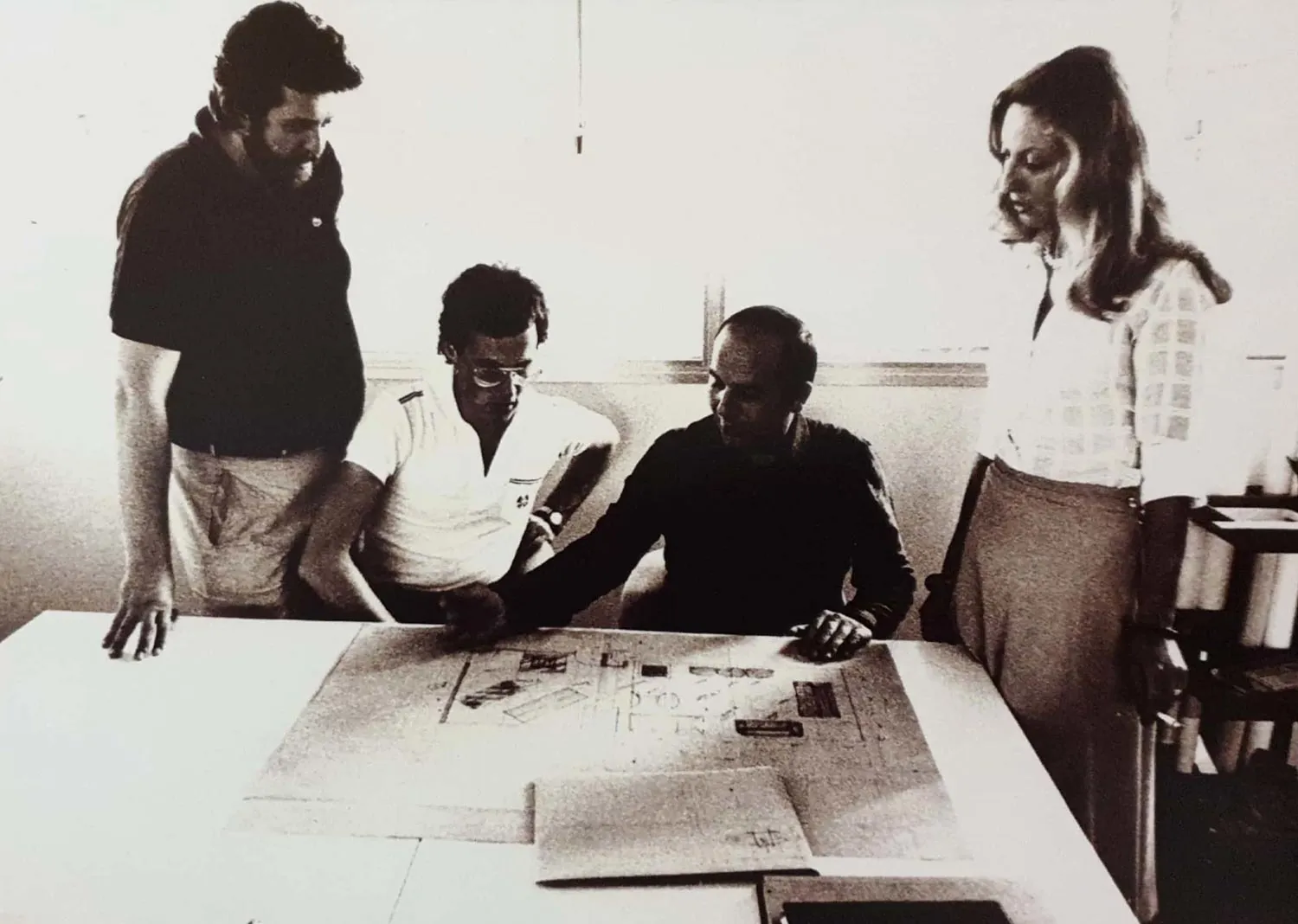
"I believe that the ability to inspire wonder in others is, in fact, the only true driving force behind our work."
- Cav. Benito Giovannetti
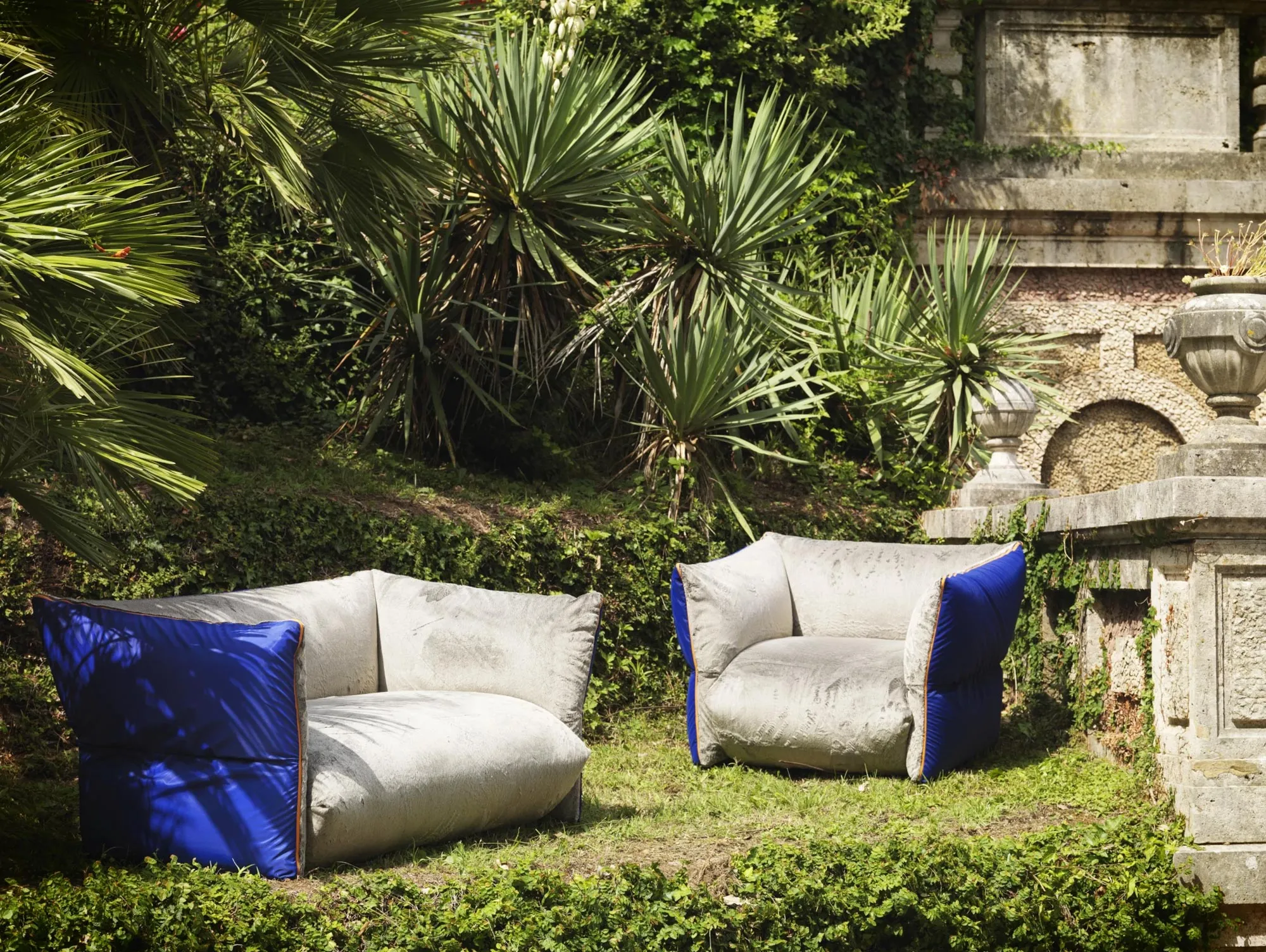
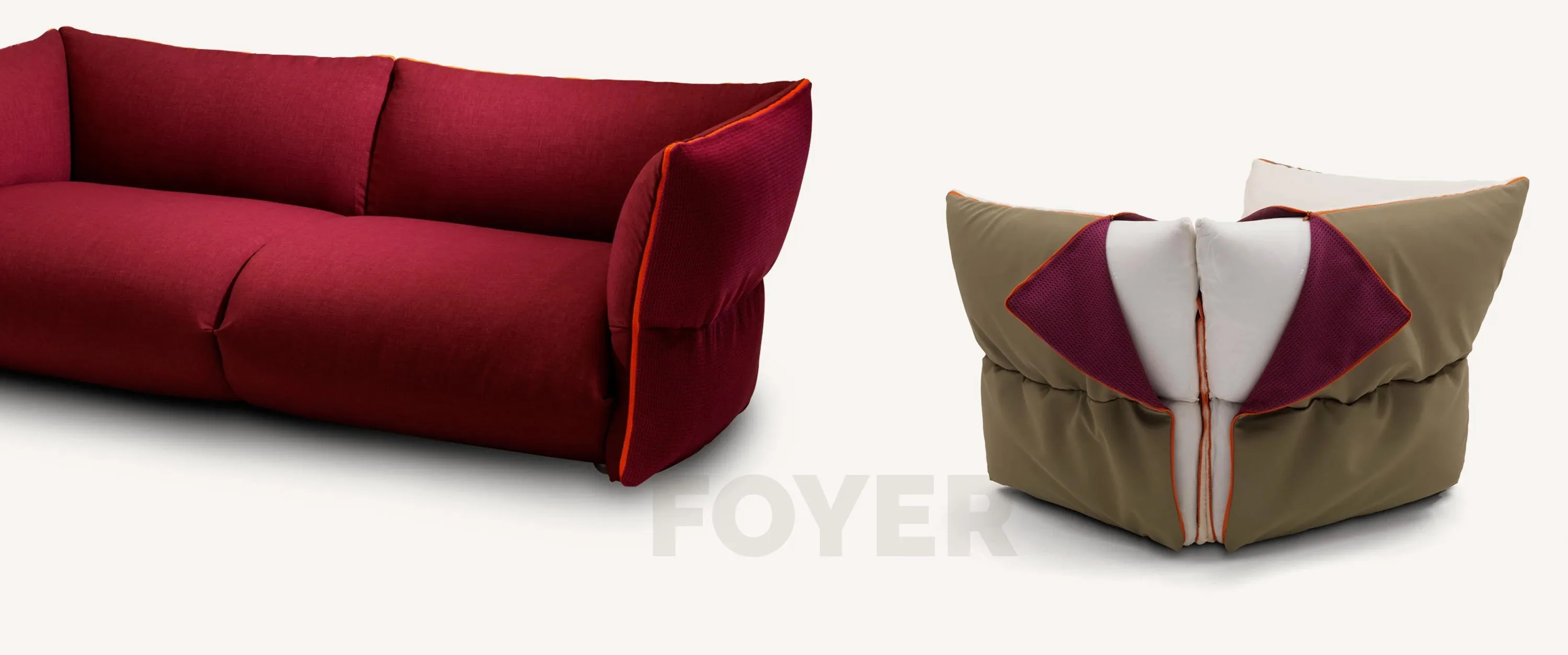
Design philosophy: experimentation, comfort, durability
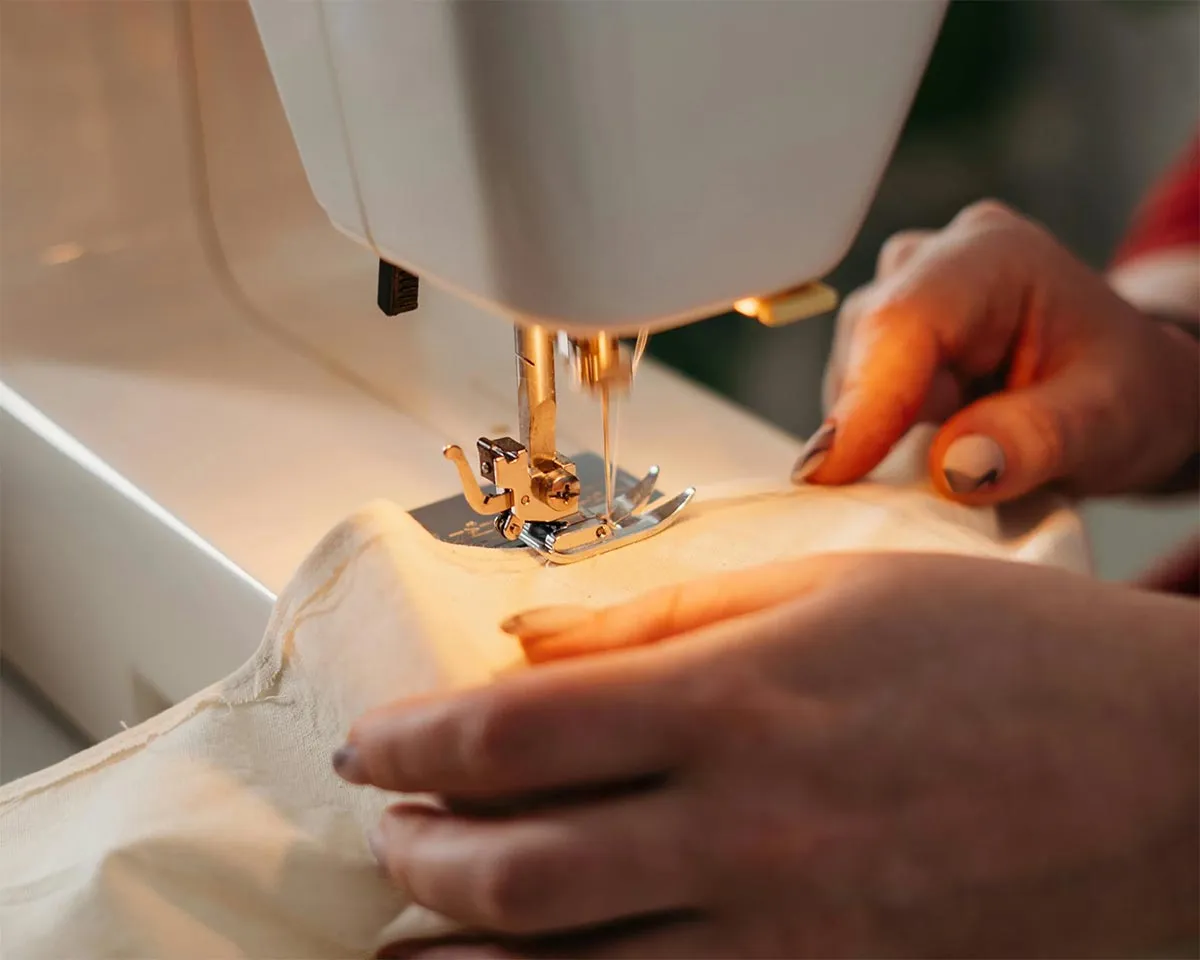
Design and sustainability stem from construction quality: steel frames and engineered woods ensure durability and stability, with reliable mechanisms and upholstery in differentiated-density polyurethanes, technical padding and, where required, certified fire-retardant compounds. Leathers and fabrics are selected for tactile performance, colour fastness and ease of maintenance; removable covers reduce waste, simplify reupholstering and extend product lifespan. Precise stitching and reinforcements at load-bearing points complete a supply chain focused on green, low-impact materials, combining lasting beauty with long-term functionality.
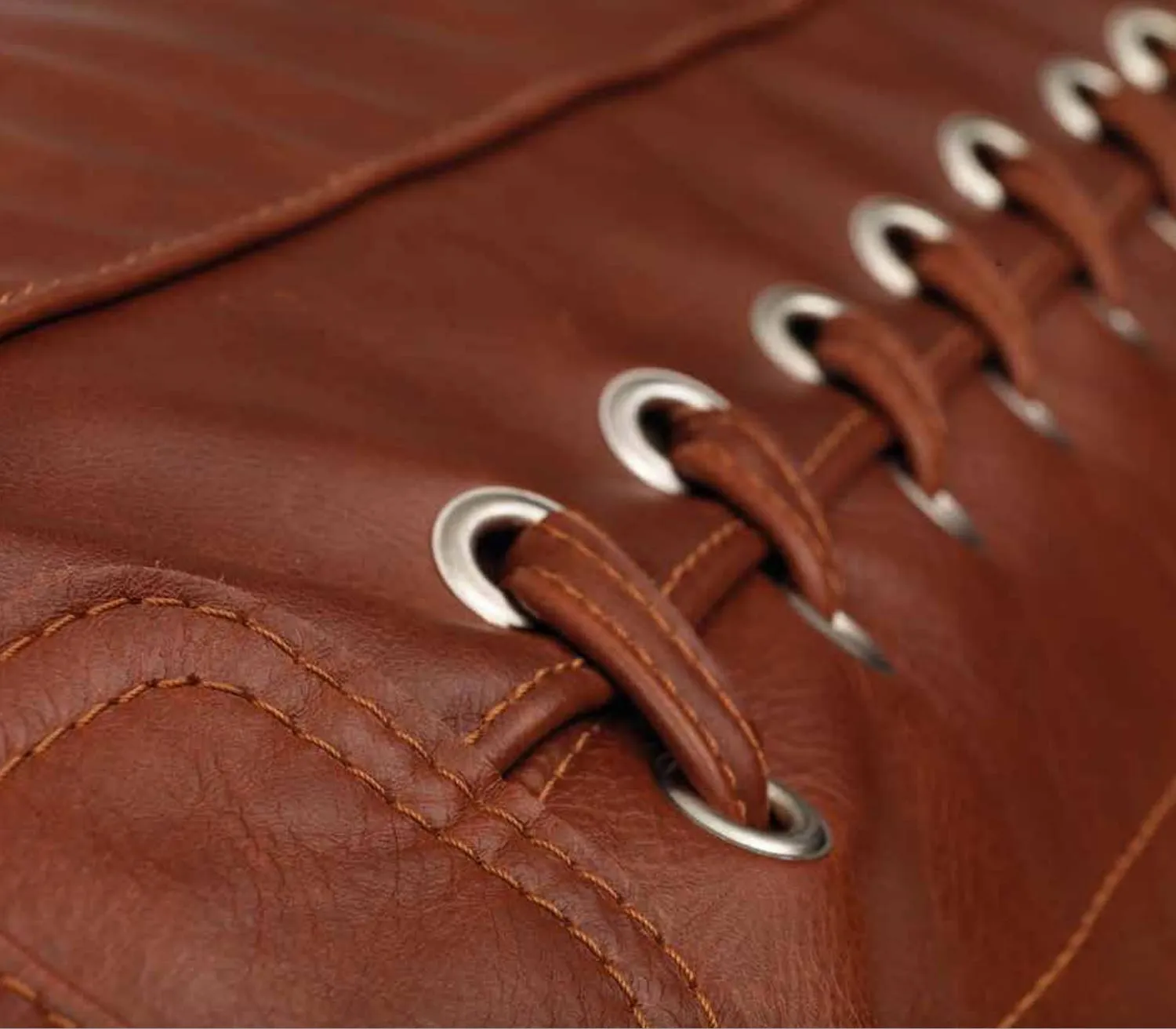

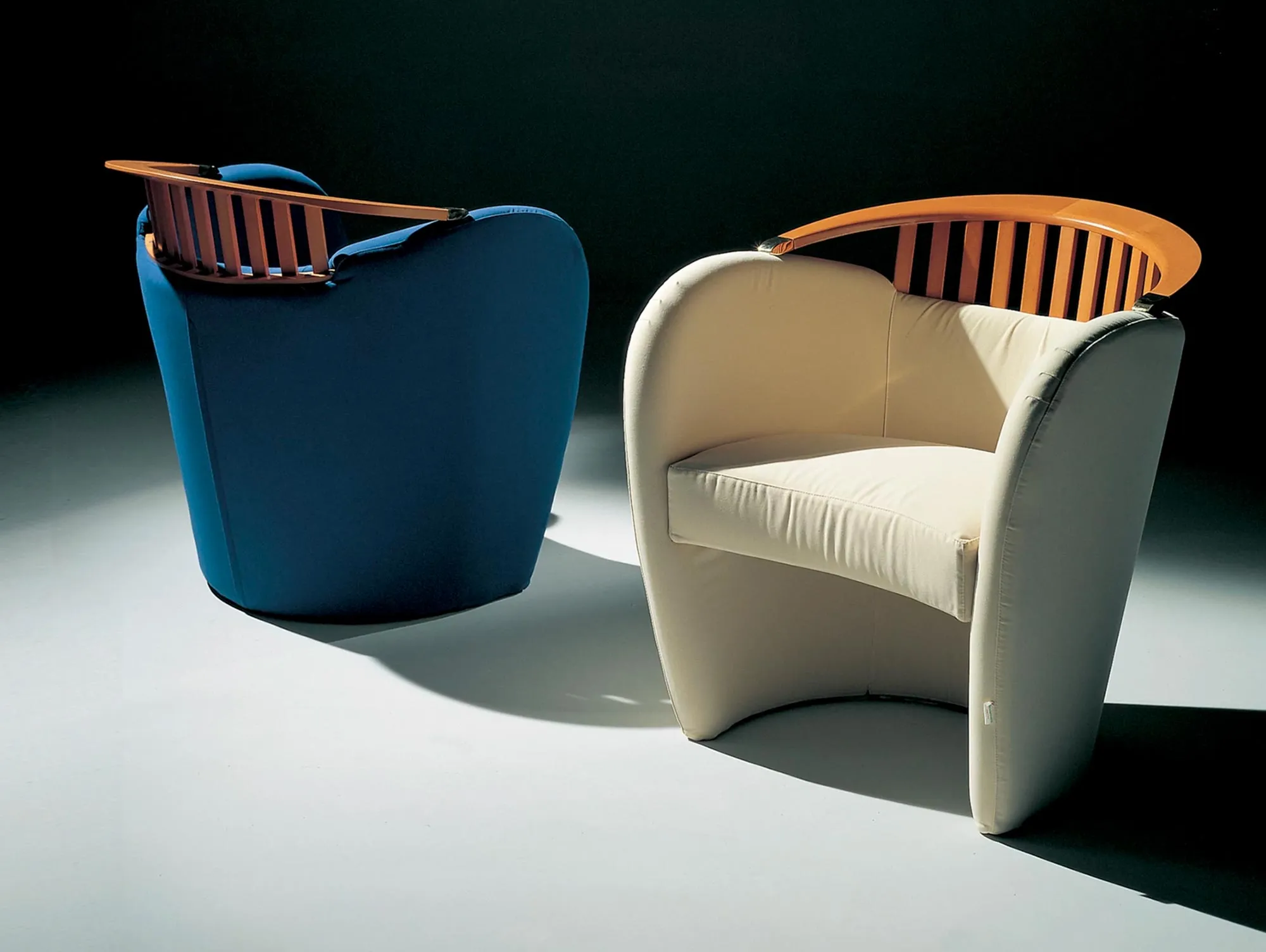
Giovannetti solutions: contemporary sofas and furnishings for residential and contract spaces
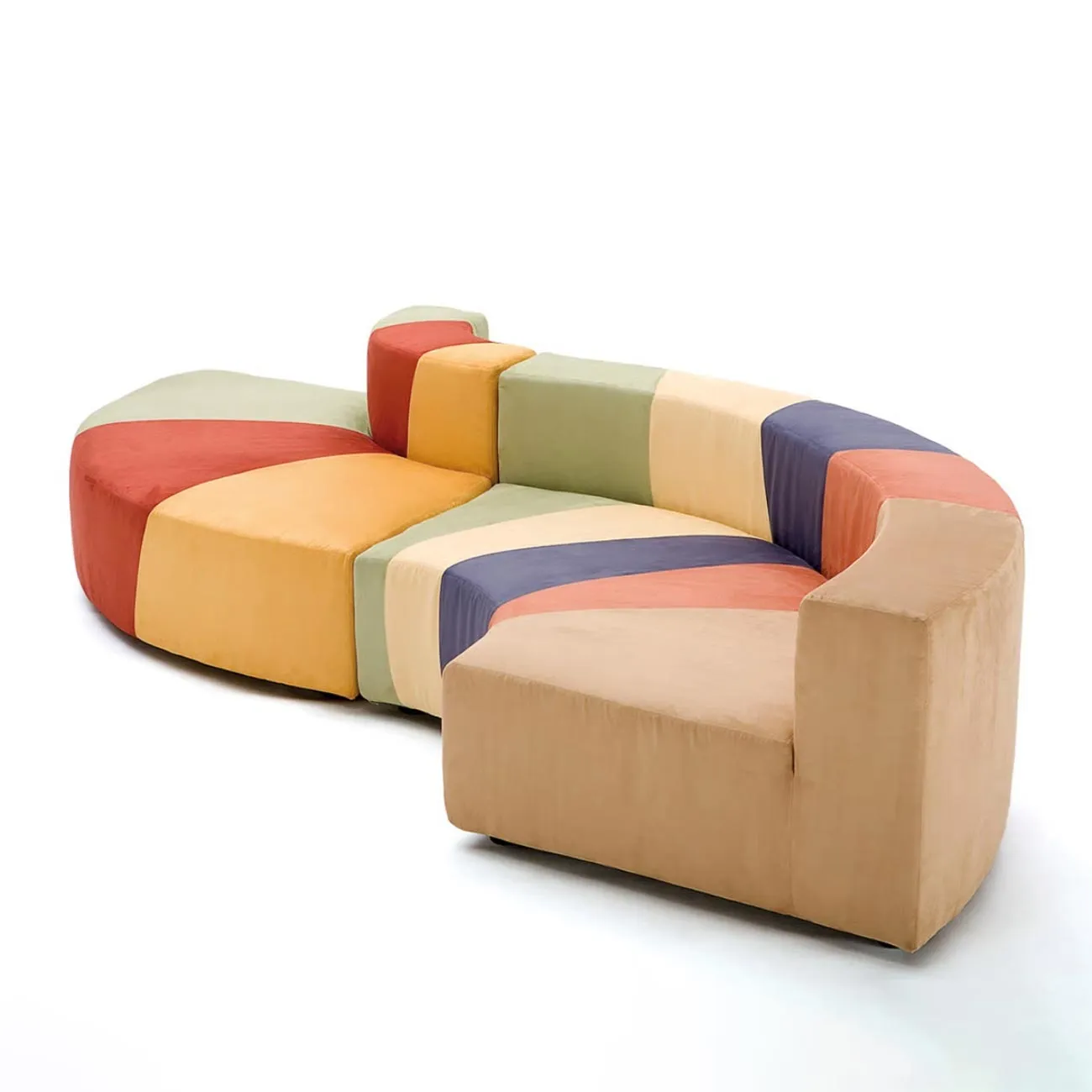
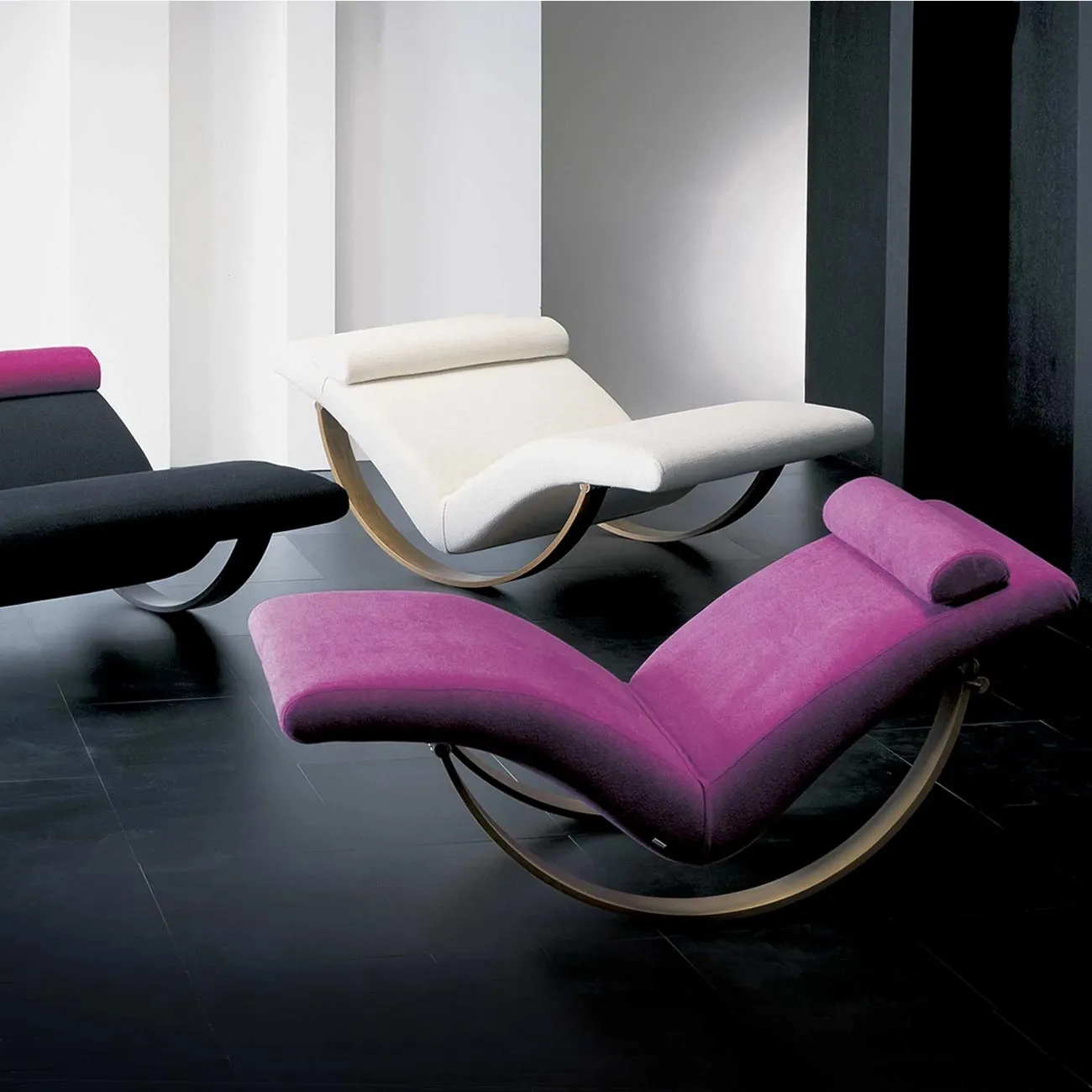
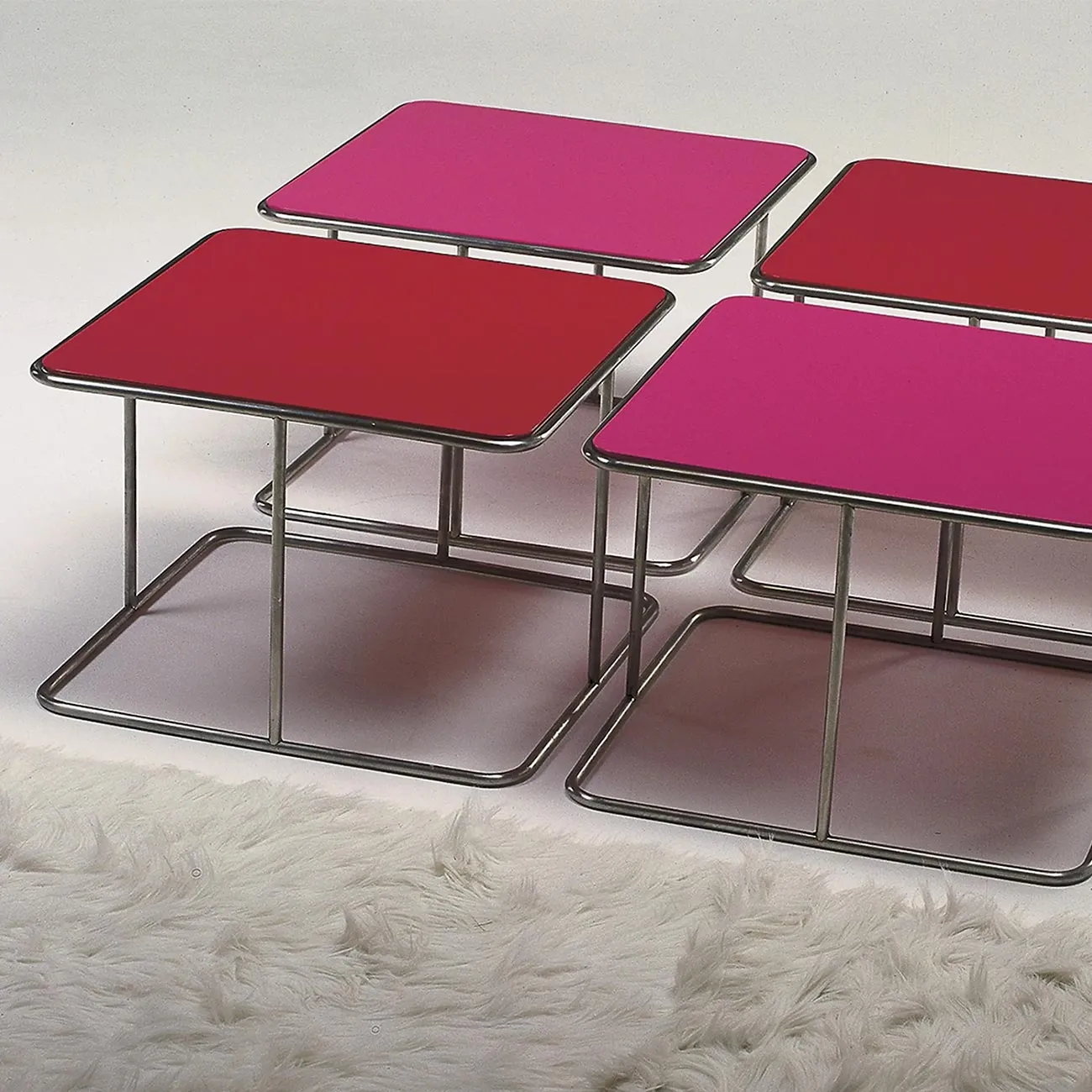
Giovannetti solutions interpret residential and contract environments through a coherent language defined by original forms, welcoming volumes and a strong focus on the relationship between people and space. The collection includes modular sofas, conversation groupings, individual seating, one-off pieces, tables and stools: systems designed to enable free configurations, encourage social interaction, introduce sculptural elements or define functional zones. This breadth makes it possible to address private living spaces, lounges and hospitality settings while maintaining aesthetic continuity and high standards of use.

Collaboration with Superstudio: radical design and iconic upholstered furniture
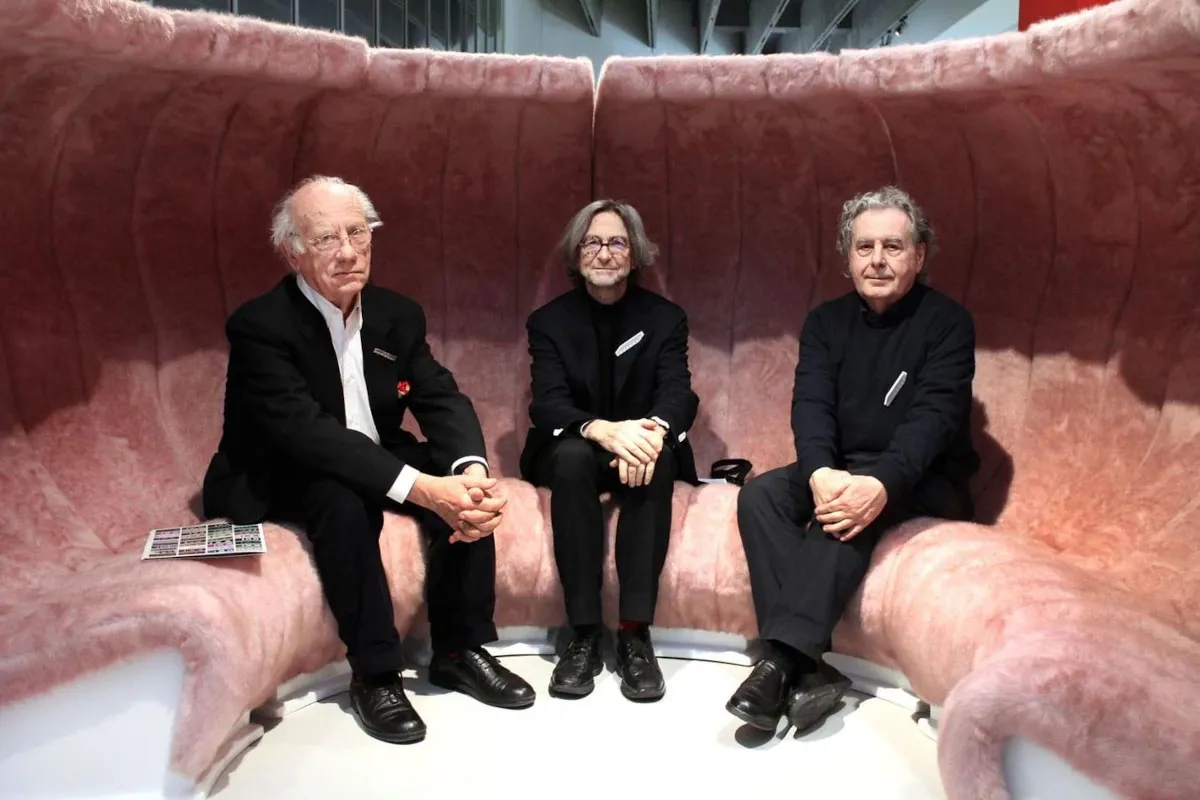
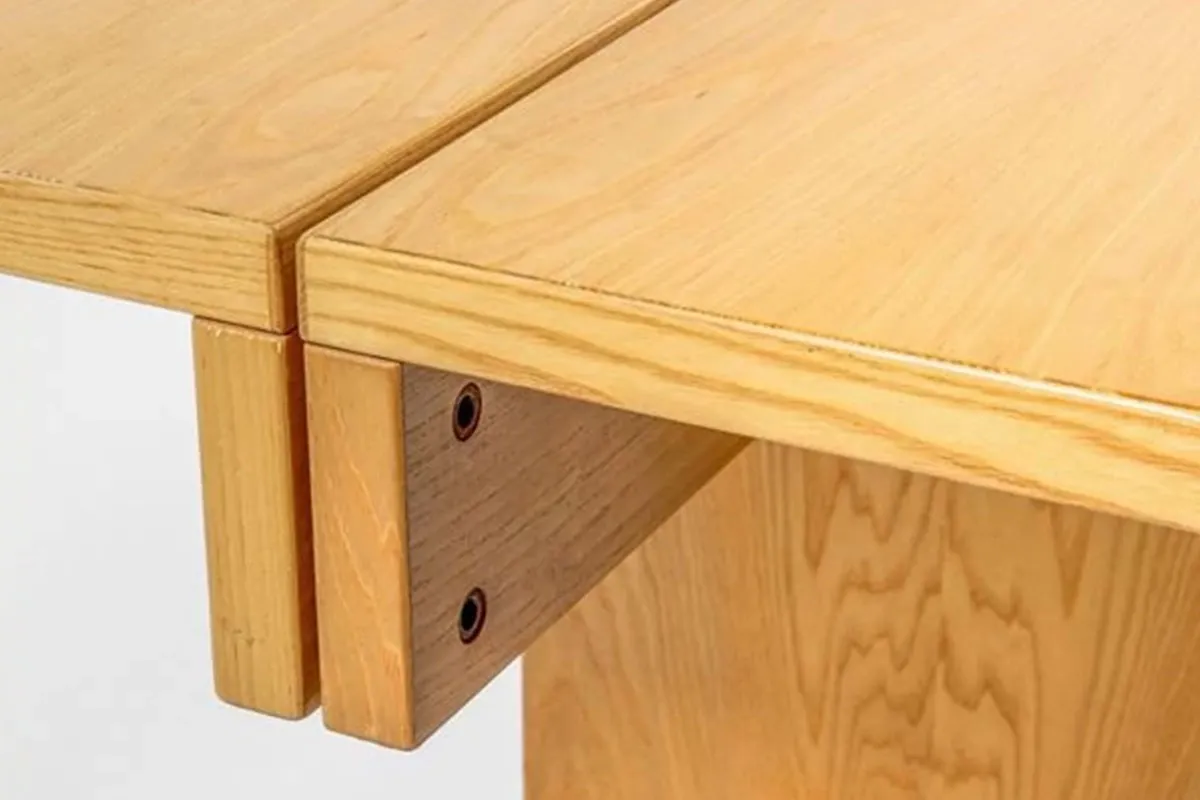
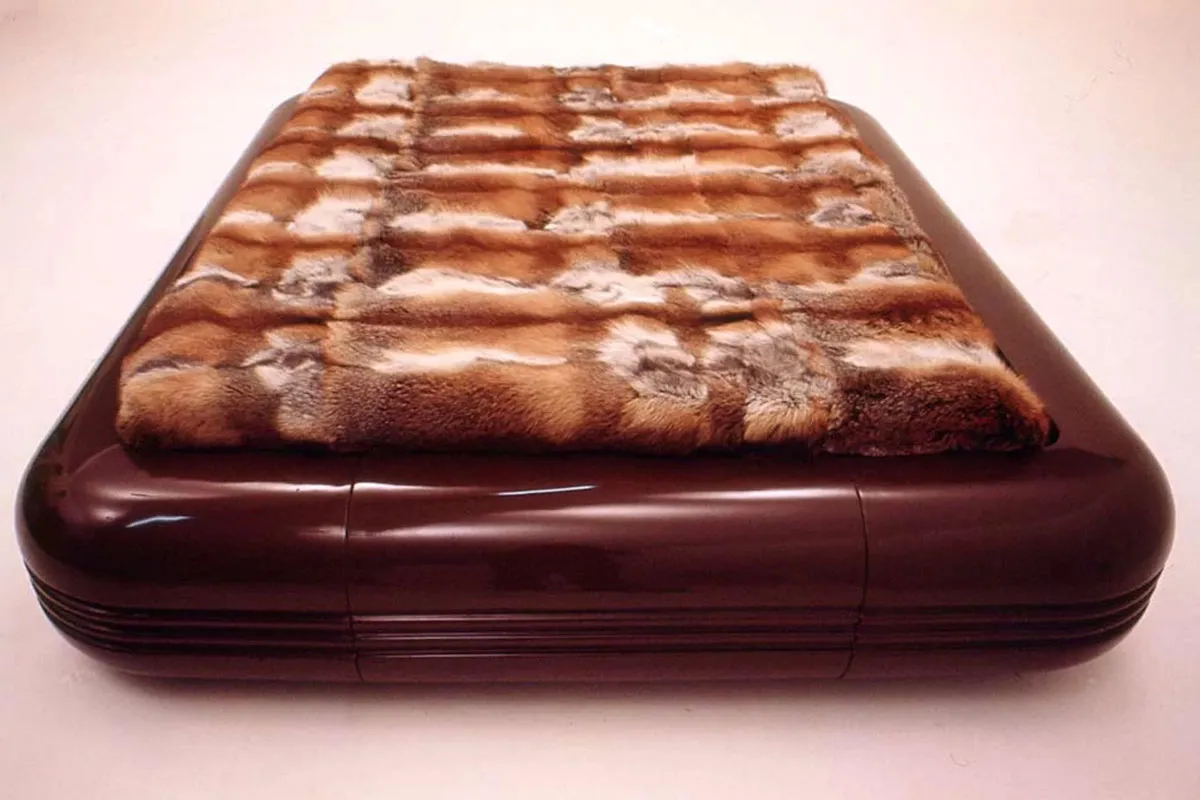
The collaboration with Superstudio clearly traces Giovannetti’s trajectory from the late 1960s to the early 1970s. From the energy of radical architecture to research into transformability, and then towards a more organic, sculptural language, always centred on the experience of sitting. With Bazaar, Onos, Teso and Lambda, upholstered furniture ceases to be merely a “seat” and becomes a domestic landscape: a fertile field of possibilities, ironic and pop, where conversation expands and comfort takes on unprecedented forms.
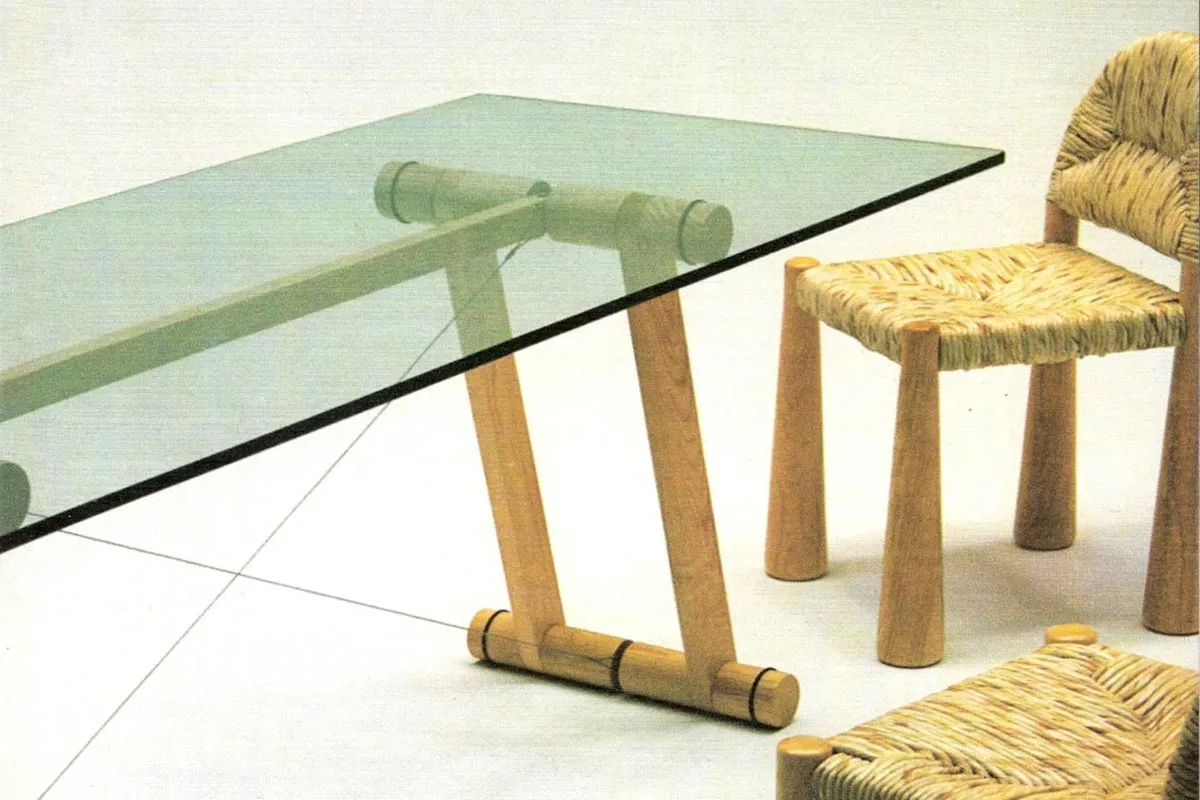
Iconic Giovannetti furniture
Alessandro Becchi brings transformability into everyday gestures with Anfibio, while Guido Rosati interprets conviviality as a dynamic system with Papillon. With Anemone, Giancarlo Zema opens up a contemporary imagination shaped by enveloping forms; Sergio Giobbi, with Le Nuvole, turns softness into a true design language. Sandro Santantonio’s research (Dune, Wave) expands the theme of movement and surfaces, and Karin Silva Gil completes the picture with Gabbiano, extending the catalogue with a coherent, recognisable line.
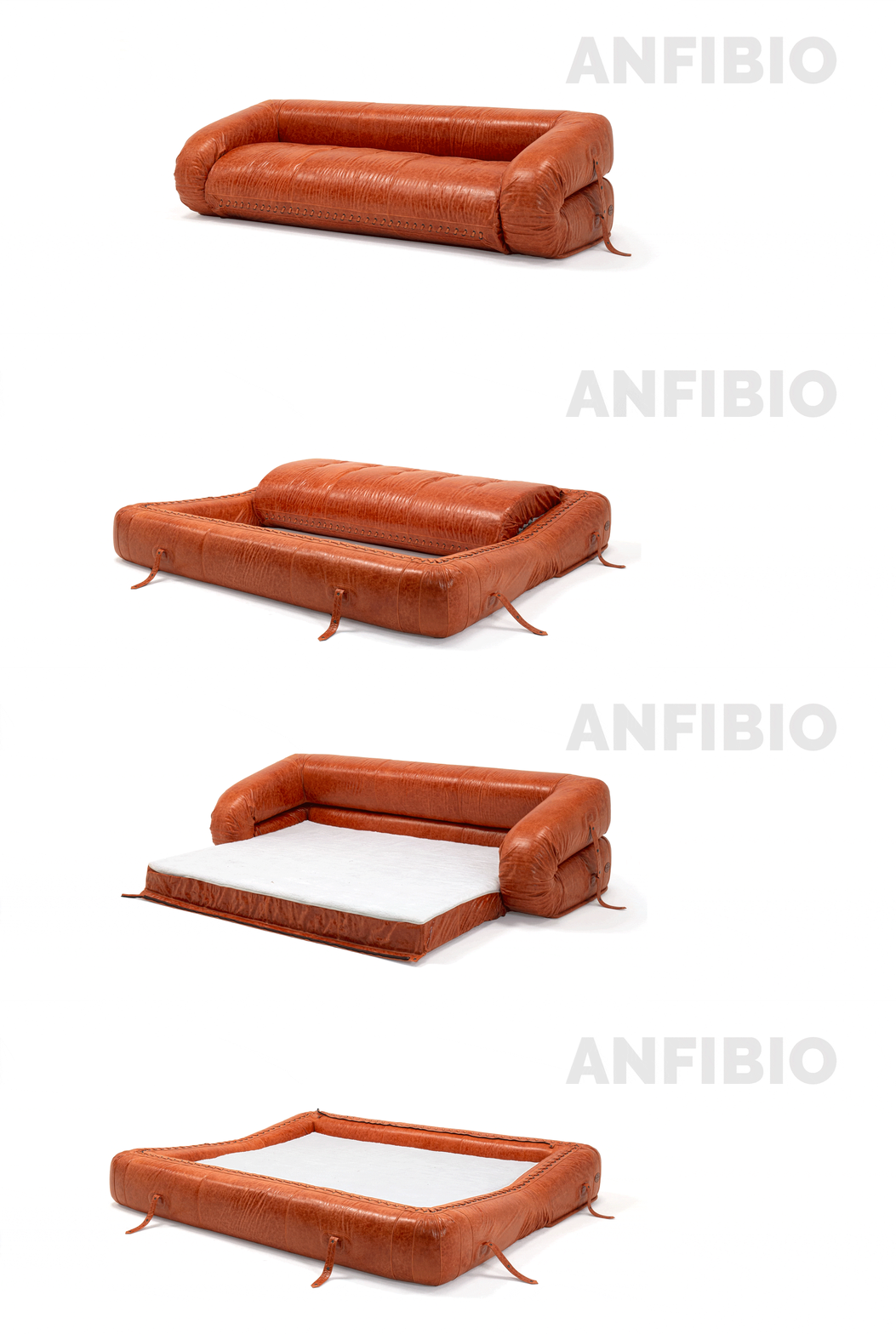
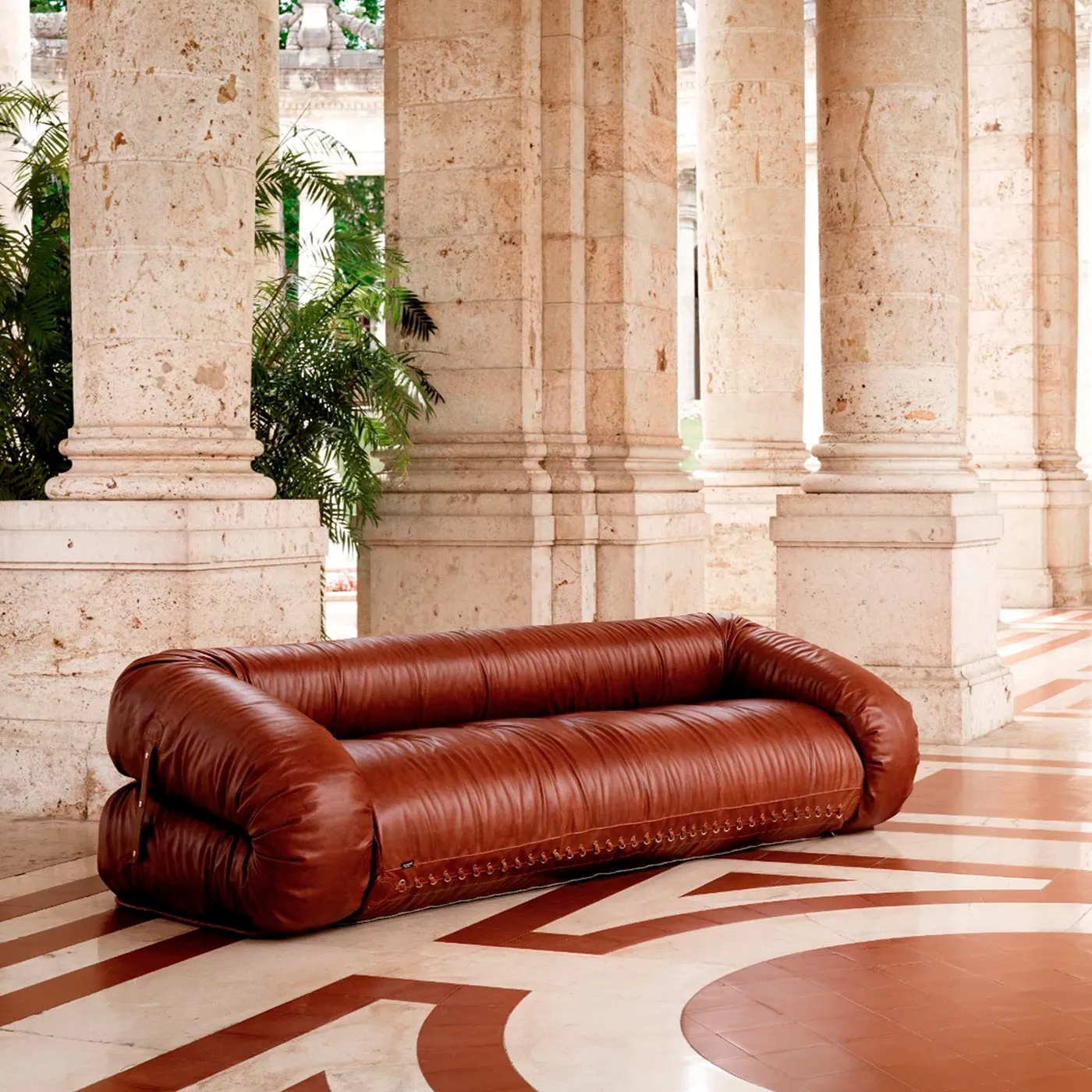
ALESSANDRO BECCHI, 1970
ANFIBIO sofa
An icon of the transforming sofa bed: from sofa to atoll to bed, it makes everyday gestures fluid through a pop, soft and inclusive design. Quality stems from technique: a steel frame, high-density polyurethane padding with heat-bonded wadding, an open-cell polyurethane mattress for genuine night-time comfort, and removable leather or fabric covers for cleaning and reconditioning. In 1972 it entered the MoMA (Architecture & Design) collection, confirming a truly timeless design.
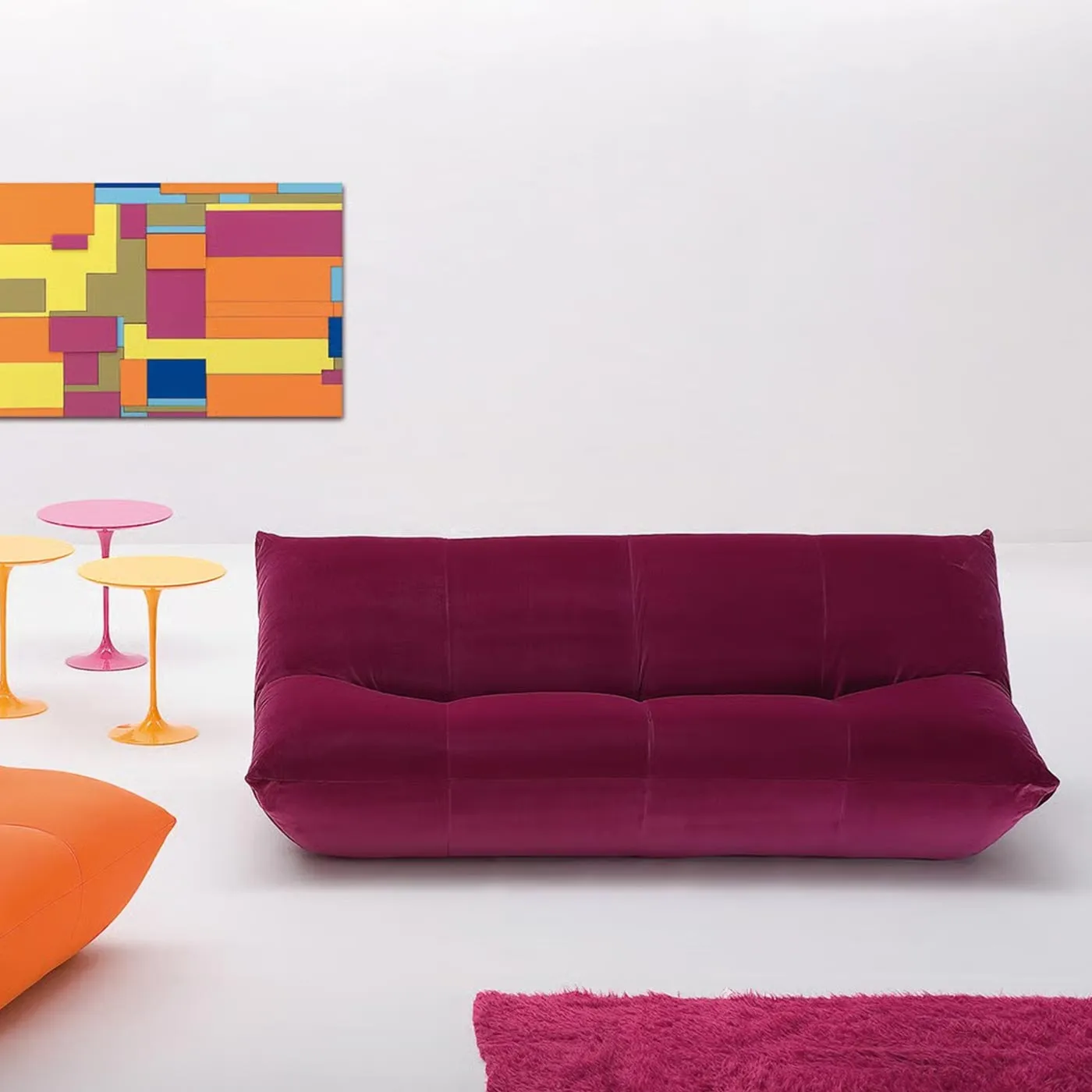
GUIDO ROSATI, 1972
PAPILLON armchair
Papillon by Guido Rosati is a transformable sofa designed for conviviality: the seat becomes the backrest (and vice versa) through a 90° flip, turning the living space into a dynamic system—from a freestanding island to a connection between dining and lounge areas. The modular collection (sofas, chaise longue, poufs, armchair) is suited to both residential and hospitality interiors. A steel frame and differentiated-density polyurethane padding ensure comfort and stability, while the removable upholstery simplifies maintenance in high-use spaces. In 2000 it entered the permanent collection of the Triennale di Milano.
SERGIO GIOBBI, 2009
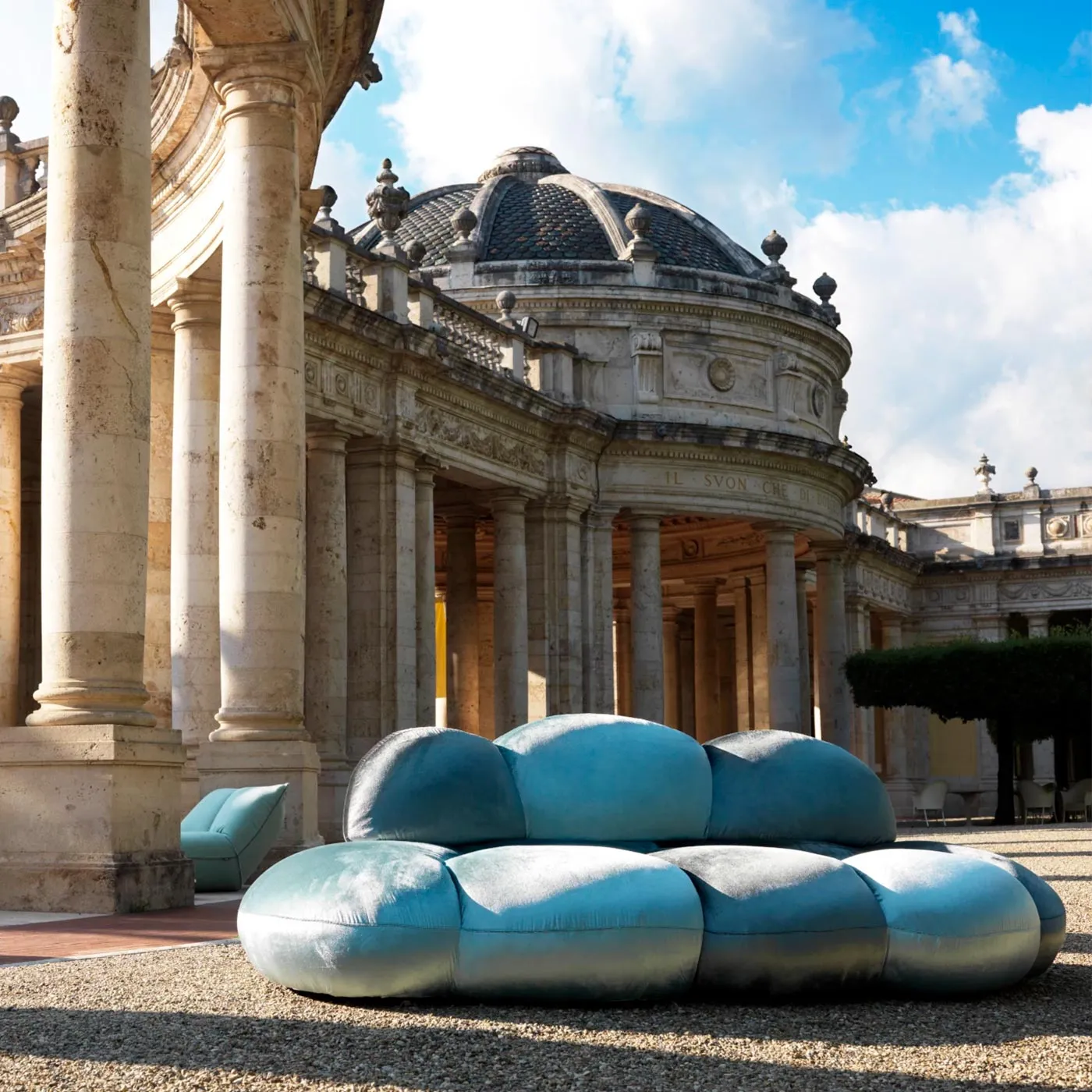
LE NUVOLE sofa
Le Nuvole by Sergio Giobbi is a design sofa focused on enveloping comfort and a “floating effect”: organic forms, deep seating and a sculptural presence suited to both large private living spaces and lounges or hotels. Build quality combines a wooden frame with steel reinforcements for the seat and backrest, and layered polyurethane padding with technical fabrics and fibres for improved durability. Removable upholstery allows easy maintenance; feet are in aluminium or technopolymer depending on the version.
GIANCARLO ZEMA, 2011
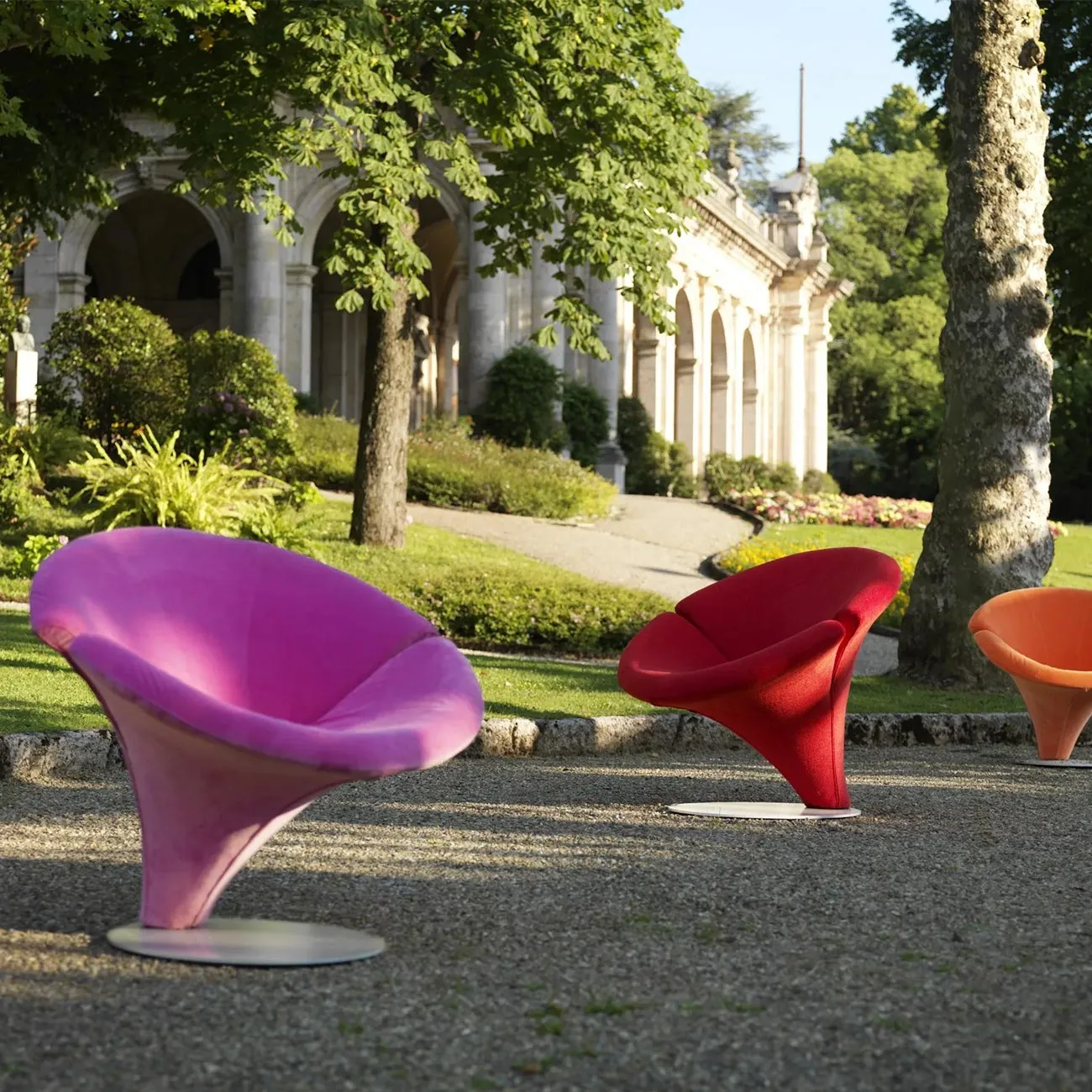
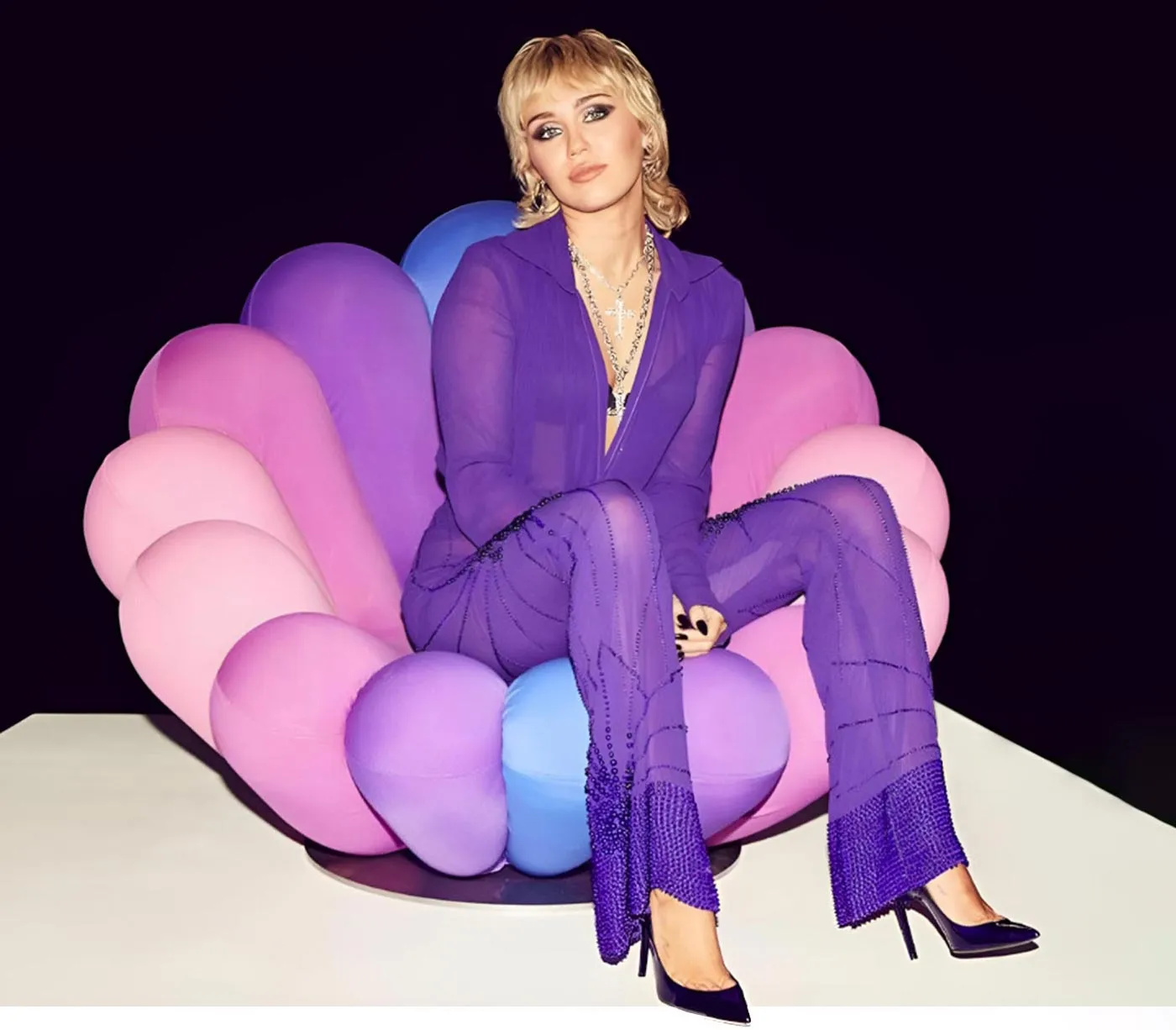
ANEMONE armchair
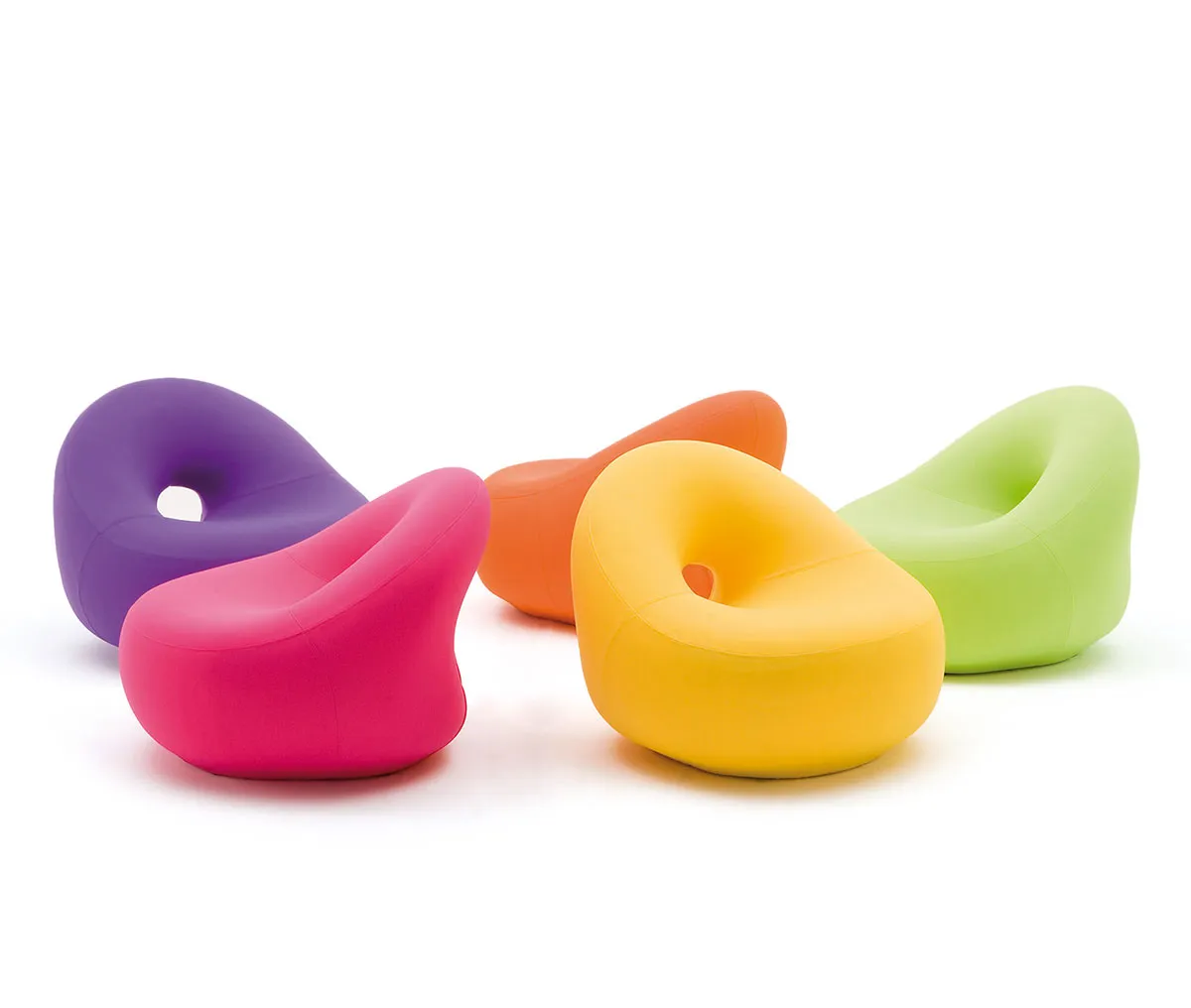
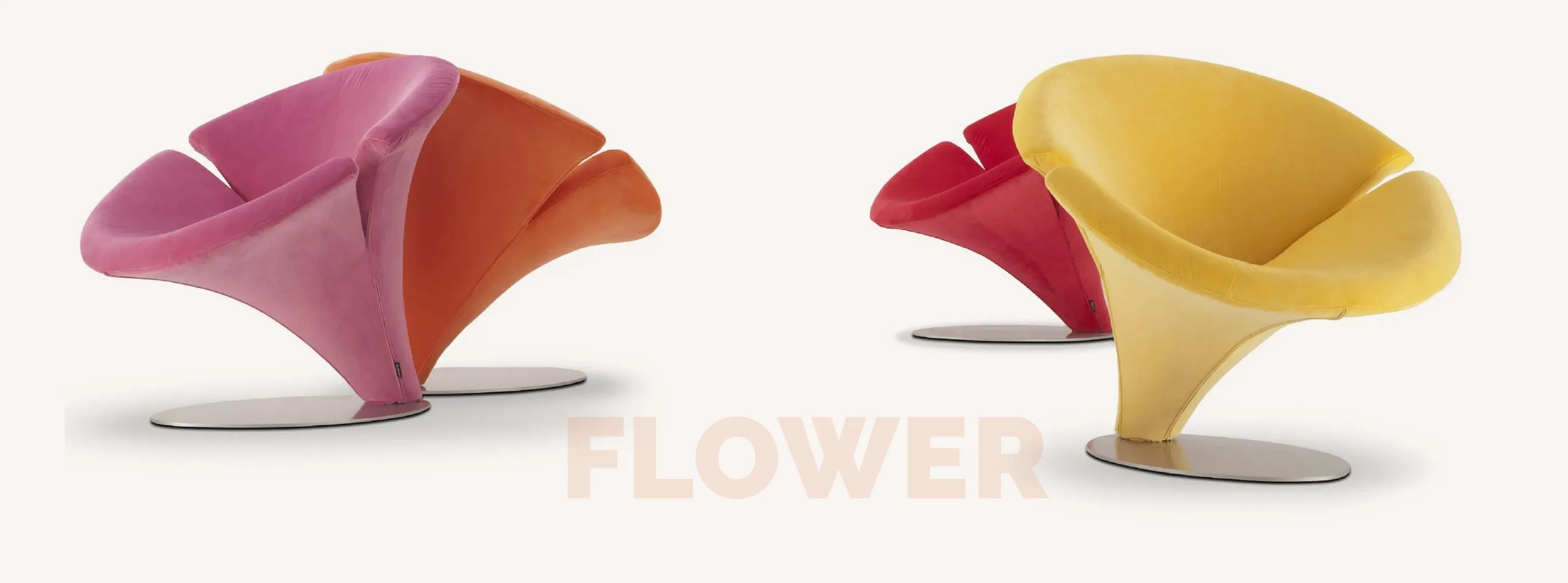
Anemone is a contemporary design chaise-longue armchair with a sculptural, enveloping aesthetic, conceived to offer comfort and a sense of protection like a soft, colourful “shell”. The swivel base allows body, gaze and conversation to be oriented without standing up, making it ideal for contemporary living spaces and hospitality lounges. The organic forms are not decorative: they become ergonomics and wellbeing, turning seating into an emotional, welcoming experience.
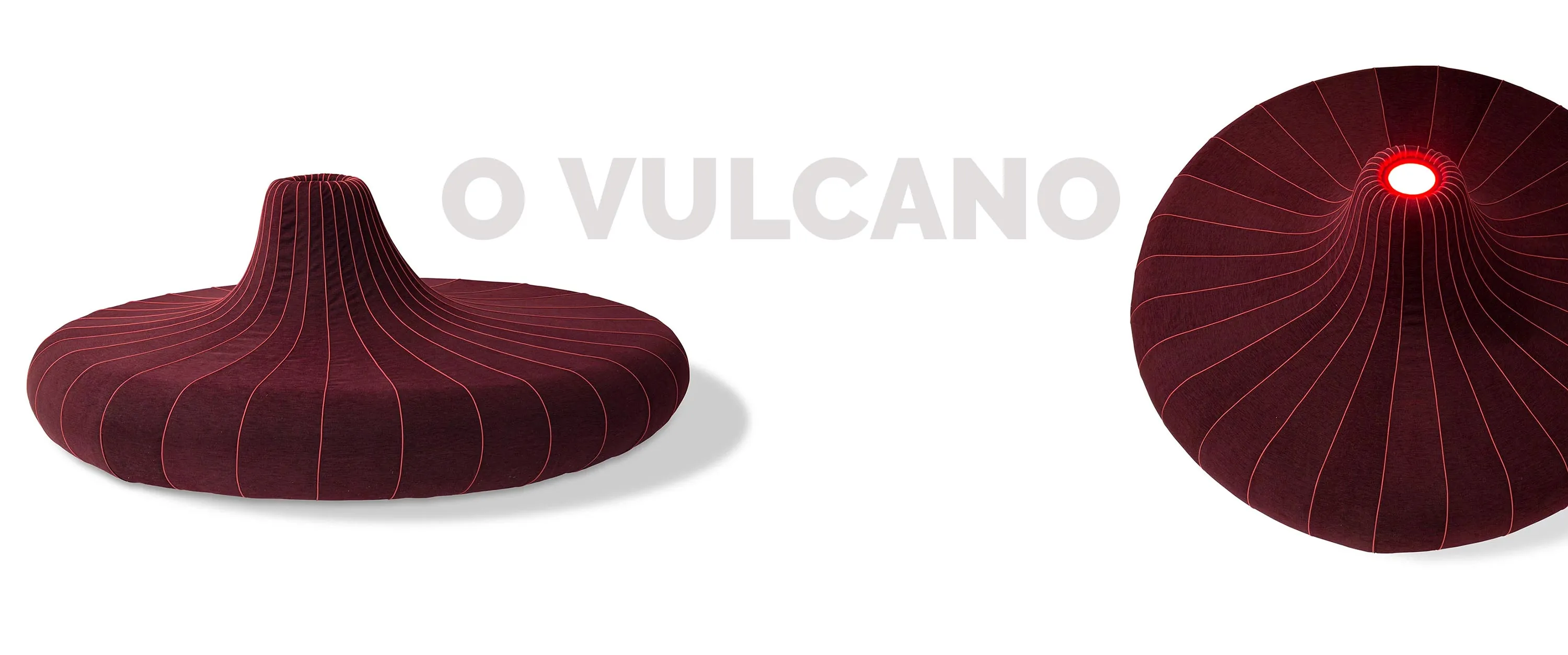
In 2018, O Vulcano by Roberto Semprini was introduced. Joining Anfibio and Papillon among the brand’s case histories, it is an island sofa with an organic profile for living spaces, halls and lounges, designed for both reclining and sitting, with integrated soft lighting that enhances atmosphere and a sense of welcome.
The relationship with the product continues over time, with the aim of extending its lifespan. This reflects Giovannetti’s true philosophy: every project is designed to span eras, freezing time in an infinite moment of beauty.